
What Does Vitamin B7 (Biotin) Do For The Body?
| In the world of cosmetic ingredients, few can address the repair needs of three key areas—hair, skin, and nails—simultaneously. Vitamin B7, also known as biotin,stands out as a top performer. As a water-soluble B-vitamin, its excellent ability to synthesize structural proteins has made it a "versatile player" in skincare, haircare, and nail care products. This article focuses on biotin’s application logic, product formulation characteristics, actual efficacy data, and classic cases in the cosmetics industry, breaking down the core value of this ingredient for you. | 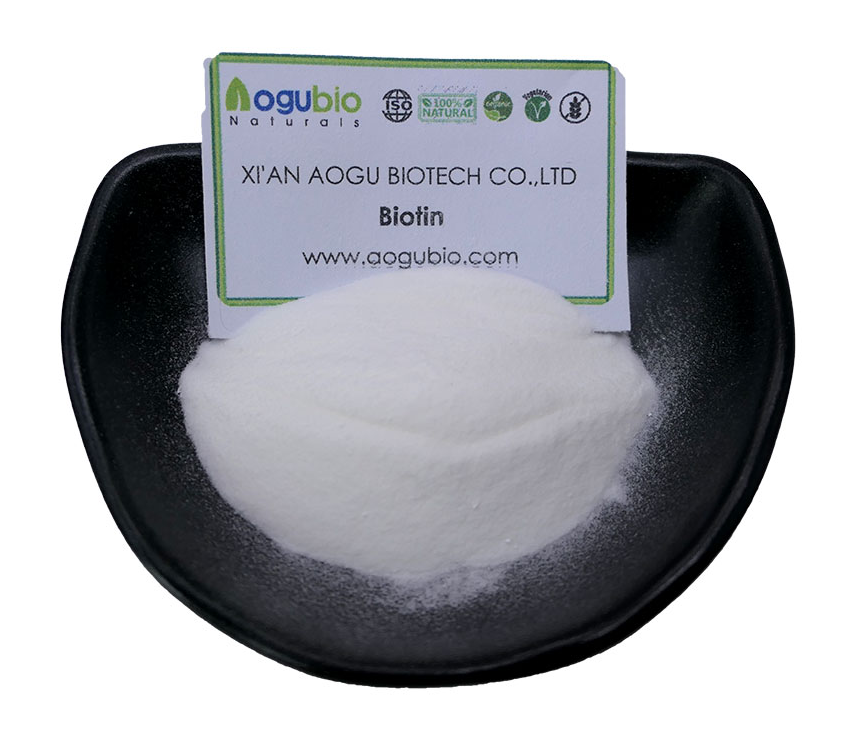 |
The Mechanism of Biotin in Cosmetics: Why It Repairs Hair and Skin?
Biotin’s core role in cosmetics stems from its ability to regulate "structural proteins"—whether it’s keratin (which forms hair and nails) or collagen and filaggrin (which maintain the skin barrier), all require biotin for synthesis and stabilization. Specifically:
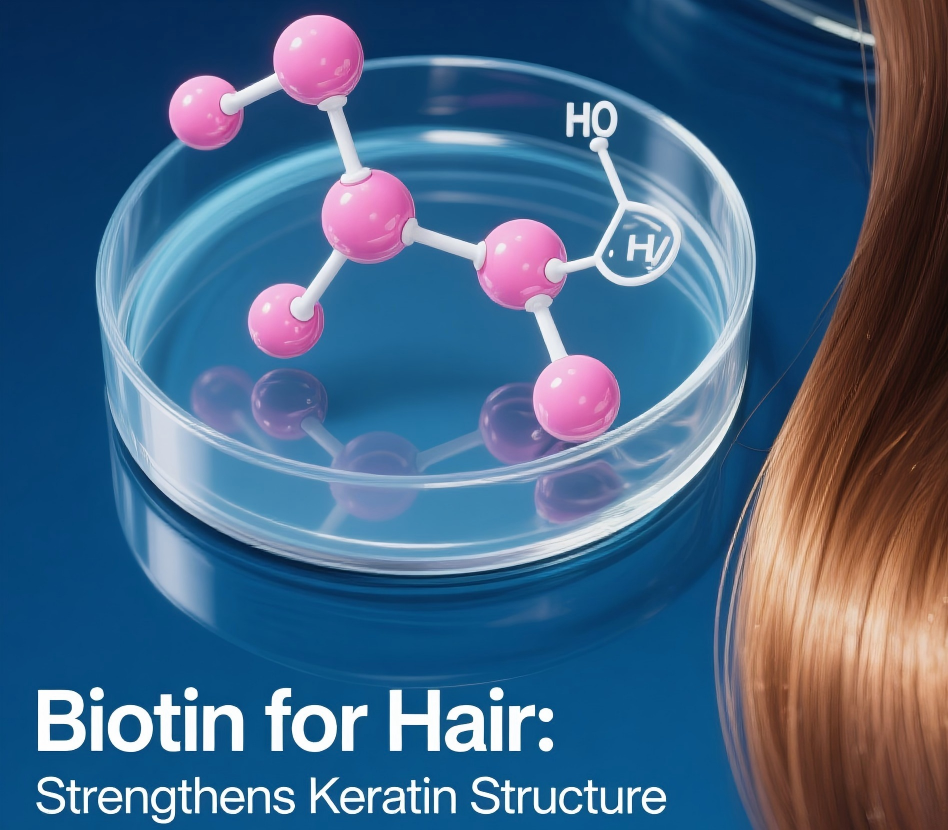
- Hair Repair: Biotin can penetrate the inner part of the hair shaft, bind to keratin fibers, enhance the tensile strength of hair strands, and reduce breakage. At the same time, it acts on hair follicles, providing nutrients to hair matrix cells, improving the arrangement of hair cuticles, and making hair more shiny and smooth.
- Skin Care: Biotin promotes the renewal of skin keratinocytes, strengthens the stratum corneum barrier function, and reduces transepidermal water loss. It also regulates sebum secretion, alleviates dryness or oiliness, and enhances the overall smoothness of the skin.
- Nail Health: Biotin can penetrate the nail plate, promote the proliferation and differentiation of nail bed cells, increase the thickness and hardness of nails, reduce brittleness issues such as delamination and breakage, and make nails easier to shape and less prone to damage.
Segmented Applications of Biotin in the Cosmetics Industry: From Product Categories to Formulations
Hair Care: Full-Cycle Applications from Cleansing to Repair
Biotin is one of the most popular ingredients in hair care products, covering a full range of categories such as shampoos, conditioners, hair masks, serums, and hair oils. The formulation design of different products has its own focuses:
- Shampoos: Focus on "cleansing + preliminary repair", often combined with surfactants and moisturizing ingredients (e.g., panthenol).
- Hair Masks/Serums: Focus on "deep nourishment". The concentration of biotin is usually higher (0.3%-0.5%), combined with highly moisturizing oils (e.g., argan oil, jojoba oil).
- Scalp Serums: Focus on "hair follicle care". Biotin is often compounded with caffeine and niacinamide to improve the follicular microenvironment.
Skin Care: Targeted Solutions for Dryness, Sensitivity, and Barrier Damage
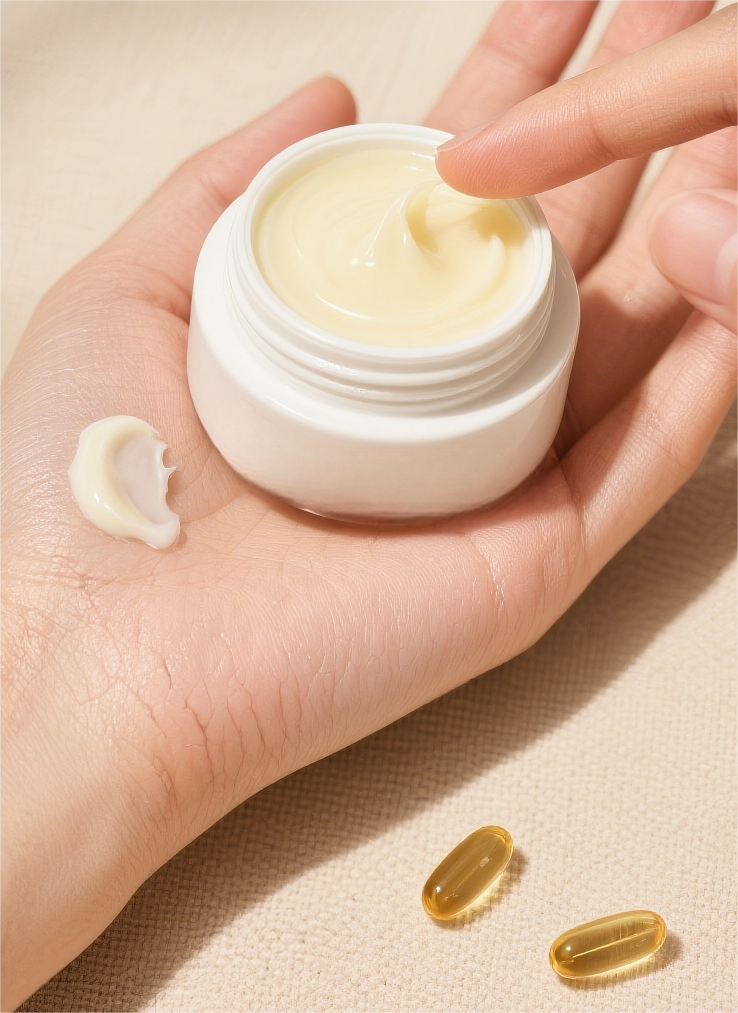
In skincare products, biotin is mostly used in moisturizers, serums, and hand creams, especially suitable for people with dry skin, sensitive skin, and damaged skin barriers:
- Moisturizing Serums: Aim for "hydration + moisture locking". Biotin is often compounded with hyaluronic acid and ceramides.
- Repair Creams: Target sensitive skin and damaged skin barriers. Biotin is combined with madecassoside and panthenol.
- Hand Creams: Solve dry and rough hand problems. Biotin is often compounded with urea and glycerin.
Nail Care: Full-Cycle Coverage from Strengthening to Beautification
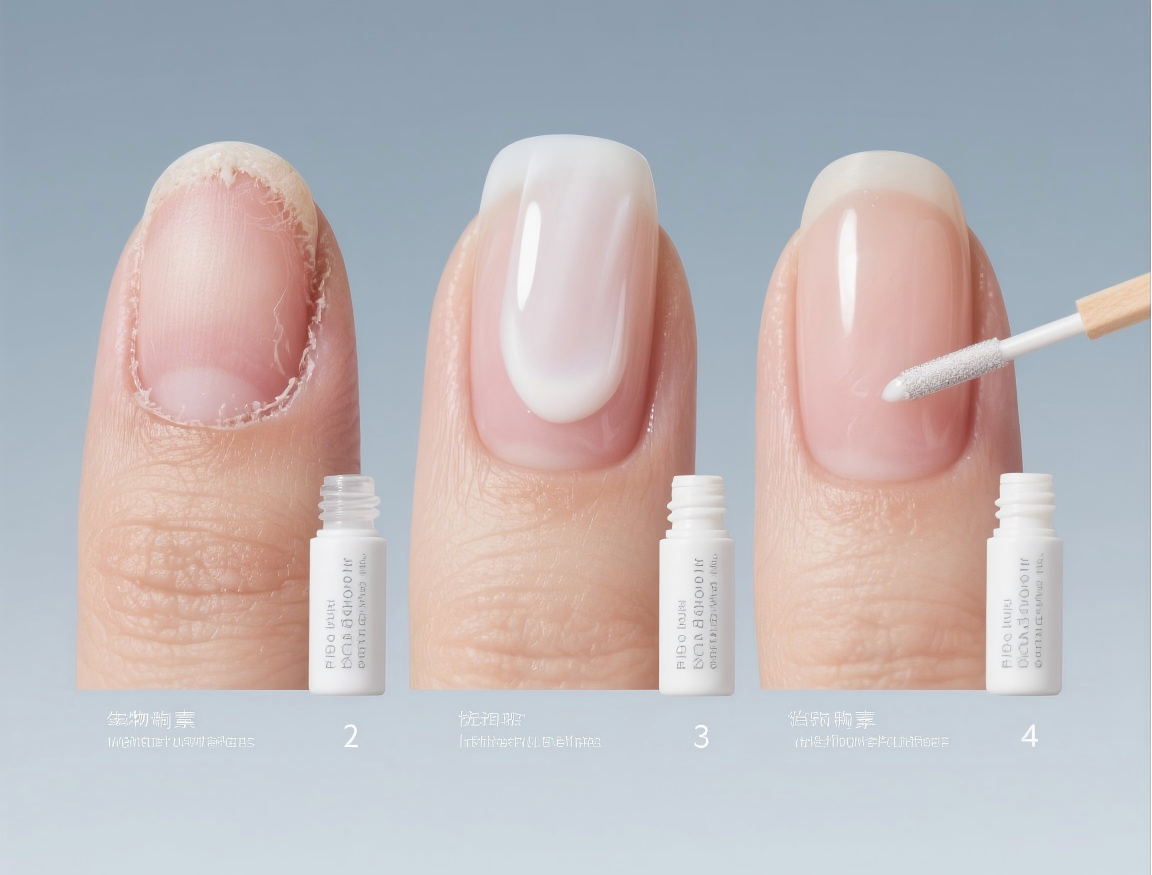
Biotin’s applications in nail care products include nail strengtheners, base coats, and cuticle oils, accurately addressing issues such as brittle nails, delamination, and hangnails:
- Nail Strengtheners: Core efficacy is "hardening to prevent breakage". The concentration of biotin is mostly 0.3%-0.5%, often combined with calcium and hydrolyzed keratin.
- Nail Base Coats: Have both "protection + priming" functions. Biotin is compounded with silane-based ingredients to reduce damage to nails from gel polishes.
- Cuticle Oils: Improve dry cuticles and hangnails. Biotin is combined with jojoba oil and vitamin E.
Selection and Usage Tips for Biotin Cosmetics
Check Concentration: Different Needs for Different Areas
- Hair Care: Shampoo (0.2%-0.5%), Hair Mask (0.3%-0.5%), Scalp Serum (0.1%-0.2%).
- Skin Care: Serum (0.1%-0.2%), Cream (0.1%-0.3%), Hand Cream (0.2%-0.3%).
- Nail Care: Strengthener (0.3%-0.5%), Base Coat (0.1%-0.2%), Cuticle Oil (0.1%-0.2%).
Higher concentration is not always better. Concentrations exceeding 0.5% may increase skin greasiness, which affects the user experience instead.
Check Compounded Ingredients: The Key to Doubling Efficacy
- Hair Repair: Biotin + Keratin + Panthenol (for damaged hair), Biotin + Caffeine + Niacinamide (for hair loss).
- Skin Repair: Biotin + Hyaluronic Acid + Ceramides (for dry skin), Biotin + Madecassoside + Panthenol (for sensitive skin).
- Nail Repair: Biotin + Calcium + Hydrolyzed Keratin (for brittle nails), Biotin + Vitamin E + Jojoba Oil (for cuticles).
Check Usage Scenarios: Choose Products as Needed
- Daily Care: Choose low-concentration basic products (e.g., 0.2% biotin shampoo, 0.1% biotin cream).
- Intensive Repair: Choose high-concentration functional products (e.g., 0.5% biotin hair mask, 0.3% biotin nail strengthener).
- Special Needs: For sensitive skin, choose "biotin + fragrance-free" formulations; for pregnant women, choose "mild and non-irritating" products (consult a doctor first).
Safety and Common Misconceptions About Biotin Cosmetics
Safety: Gentle and Non-Irritating, Suitable for a Wide Range of People
The safety of biotin in cosmetics has been verified through a large number of tests: A 2021 review in the Food and Chemical Toxicology journal showed that even when the external concentration reaches 1%, no skin irritation or allergic reactions were observed, the U.S. FDA classifies it as a "GRAS" ingredient, which can be used by pregnant women and people with sensitive skin.
Common Misconceptions: Avoid These Cognitive Biases
- Misconception 1: "Biotin can make hair grow quickly"—Biotin mainly functions to reduce hair breakage and improve hair quality, rather than directly accelerating hair growth. The natural growth rate of hair is still 1-1.2 cm per month.
- Misconception 2: "Topical biotin is less effective than oral biotin"—Topical biotin targets local repair (e.g., hair strands, nail surface), while oral biotin focuses on overall nutrition. They have different application scenarios and can be used together but do not need to replace each other.
- Misconception 3: "All biotin products have the same effect"—The effect depends on concentration, compounded ingredients, and penetration technology. For example, "micromolecular biotin" has a 3 times higher penetration efficiency than ordinary biotin, resulting in more obvious repair effects.
Conclusion: Biotin – The "All-Round Repair Ingredient" in the Cosmetics Industry
From hair cleansing and repair, to skin barrier protection, and nail strengthening and beautification, biotin has become a "timeless" ingredient in the cosmetics industry due to its gentle repair ability and wide applicability. Whether for daily basic care or targeted solutions to problems such as dryness, sensitivity, and brittleness, choosing biotin products with appropriate concentrations and compounded formulations can yield significant results. In the future, with the trend of "precision skincare", the compounding technology of biotin with other ingredients will be further upgraded, bringing more personalized repair solutions to consumers.
- Name: Yuik
- E-mail: sales02@nahanutri.com
- WhatsApp:+8618066950297